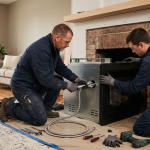
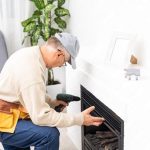
Waking up to a cold house can be frustrating, especially if your heating system isn’t working properly. However, not all heating issues end in a serious failure. Many common problems, such as unusual noises or uneven warmth, have simple solutions that can be safely troubleshot. Understanding these concerns can save you time, money, and stress. In this guide, we’ll look at common heating system issues and how to fix them. If anything looks dangerous or outside your comfort level, consider talking to a trained HVAC technician.
Basic Heating System Troubleshooting
Check Thermostat Settings And Batteries
Begin with your thermostat, which is responsible for all control. Ensure that your thermostat is set to “heat” and the temperature is turned up to a higher temperature than the current temperature of your room. If it is battery-powered, change the batteries to rule out a power problem.
Verify The Power Source
Check that your system is powered. Check your circuit breakers and reset any tripped breakers. Also, make sure all power switches nearby are turned on.
Inspect Air Filters
Dirty air filters can restrict airflow, leading to overheating or a shutdown. Replace or clean them if they become clogged.
Ensure Vents Are Clear
Walk through your home, making sure that all vents and registers are open and unobstructed to ensure even airflow. However, if these measures do not resolve the problem, we recommend scheduling a professional diagnosis with our knowledgeable HVAC experts.
9 Most Common Heating Problems & DIY Solutions
1. System Won’t Turn On
Finding out that your backup heating system isn’t working when you need it most is the worst thing there is! Before assuming the worst, try a few easy fixes if your heater isn’t working and there isn’t any warm air coming from the vents.
-
Check The Thermostat
Check the thermostat for any issues, such as dead batteries or incorrect settings. So, double-check that the thermostat is in heat mode and that the temperature is set higher than the current room temperature.
-
Inspect The Power Supply
If your system isn’t working properly, check your electrical panel for a tripped breaker or blown fuse. Reset it if necessary, but if it trips again, contact a professional immediately.
-
Verify The Power Switch & Filter
Every heating system has a power switch near the unit; ensure it is switched on. A dirty air filter may potentially cause your system to shut down for safety reasons. Replace the filter and try resuming.
2. Insufficient Heat
If your heater is on but the house is still cold, you are not alone. Many homeowners are concerned, “Why is my house not heating up?” This issue is typically caused by restricted airflow, dirt buildup, or thermostat malfunctions, which prevent your system from properly distributing warm air.
-
Dirty Air Filter
When dust clogs the airflow, it becomes difficult to move warm air throughout your home. To ensure peak performance during the heating season, change your air filters every one to three months.
-
Blocked or Closed Vents
Sometimes the problem is as simple as furniture or curtains blocking vents. To ensure adequate ventilation, keep all supply and return vents open and unobstructed.
-
Problems With The Thermostat And Burner
If your thermostat is positioned incorrectly, especially near windows or heat sources, your system may shut down too soon. Clogged heat exchangers and dirty burners can reduce the amount of heat produced. If cleaning the vents and filters doesn’t help, it’s best to have a professional inspect your system for more serious problems.
3. Frequent Cycling
If your heating system keeps turning on and off every few minutes, it is an indication of a heating problem that should not be overlooked. In addition to making your house uncomfortable, this brief cycling can increase your energy costs and further tax your system.
-
Dirty Air Filter
A clogged filter reduces airflow, causing the machine to overheat and shut down before completing the entire cycle.
-
Faulty Thermostat
Your heater may turn on and off at inconvenient times if your thermostat is not accurately reading the temperature.
-
Oversized System
A unit that is too large for your home heats the space too quickly, causing short, frequent cycles that strain the components.
-
Dirty Flame Sensor
When the flame sensor is contaminated with dirt or residue, it may fail to detect heat adequately, causing the system to shut down for safety.
4. Strange Noises
Hearing strange sounds from your heating system might be unsettling, especially if you don’t know what’s generating them. If your home’s heater is broken or appears to be malfunctioning, strange noises are often the first indication of a problem. Fortunately, the majority of these noises have simple meanings, and understanding them will help you decide whether you can solve the problem on your own or if you need professional help.
-
Banging or popping
If you hear a loud bang or pop when your system turns on, it could be due to ductwork expansion or dirty burners. Metal ducts expand and contract with temperature changes, but filthy gas burners can cause mini-explosions when ignited.
-
Squealing
A high-pitched shriek is typically caused by a worn blower belt or a problem with the motor bearings. These parts may simply need to be tightened or lubricated.
-
Rattling
Rattling sounds can be caused by loose panels, screws, or other machine components. Tightening connections can usually reduce noise.
-
Booming
A deep boom is more serious; it may indicate that a gas furnace’s ignition was delayed. Turn off the system and contact an HVAC specialist right away for safety.
5. Uneven Heating
If you’ve observed that some rooms in your home are toasty while others remain cold, you’re dealing with one of the most prevalent heating issues: uneven heat distribution. This problem affects more than simply comfort; it can also force your system to work harder, raising energy expenditures and component damage.
-
Dirty Air Filter
A blocked filter reduces airflow across your system, making certain rooms warmer than others. Changing filters every 1-3 months helps to ensure consistent heating.
-
Ductwork Problems
Leaky or inadequately insulated ducts allow heat to escape before it reaches certain regions. A skilled inspection can detect and seal leaks, restoring equilibrium.
-
Zoning Issues
Larger residences or multi-level rooms may require separate thermostats or zoning systems to keep temperatures consistent.
-
Simple Fix
Begin by checking and cleaning all vents, then change your air filter. If the problem persists, have a professional evaluate your ductwork or recommend zoning modifications to ensure that every room is comfortable and free of heat this season.
6. Thermostat Malfunctions
Your thermostat serves as the control center for your heating system, regulating temperature and system operation. Even a perfectly functional heater can appear to be faulty when it starts acting up. A faulty thermostat in your home can result in uneven heating, improper temperatures, or a system that does not turn on.
Common Symptoms
- The display shows inaccurate temperature measurements.
- Controls are unresponsive, or the screen is blank.
- The heating system switches on and off too often.
- Even with the optimal settings, rooms feel too hot or too cool.
Troubleshooting Steps
- Check and replace the batteries: Low power can result in display or control difficulties.
- Ensure that the thermostat is level: Internal sensors may be affected by an uneven mount.
- Clean the inside components: Dust and debris should be removed gently using a soft brush.
- Check the thermostat’s placement: Keep it away from bright sunshine, vents, and drafts, which might affect readings.
- Inspect for loose wiring: If you’re comfortable doing so, tighten the connections.
7. Pilot Light or Ignition Problems
If you’re wondering, “Why is my gas heater not turning on?” the problem could be with the pilot light or ignition system. This is one of the most typical reasons why a heater does not operate, particularly in gas-powered systems.
-
Common Symptoms
You’ll probably discover that your system isn’t producing any heat or that the pilot light won’t stay lit. Sometimes you hear your furnace click as it attempts to ignite, but nothing occurs. These indicators point to problems with the ignition sensor, thermocouple, or gas supply.
-
Basic Relighting Instructions
First and foremost, turn off the power and gas supply to your unit for safety. Next, locate the pilot assembly, which is normally near the bottom of your furnace. Turn the control knob to “Pilot,” press it down, and start the flame with a long lighter or match. Hold the knob for 30-60 seconds before releasing it. If the flame does not stay lit or goes out frequently, do not force it. The issue could be a dirty thermocouple or a malfunctioning ignition system.
8. Blower Motor Issues
If your heater isn’t heating your home properly or you’re experiencing low or no airflow, your blower motor could be to blame. The blower motor pumps warm air through your ductwork and into each room. Even a perfectly functional furnace cannot circulate heat throughout your home if it is not working properly.
-
Common Symptoms
A defective blower motor is generally characterized by no airflow, reduced airflow, or a fan that runs continuously even when the system is turned off. You may also notice weird humming or grinding noises coming from the unit.
-
Possible Causes
A variety of difficulties might have an impact on the functioning of your blower motor. A failing capacitor can prevent the motor from starting, and worn bearings can cause the motor to seize or overheat. A filthy blower wheel can reduce airflow, and electrical issues, such as loose connections or a tripped circuit, can cause the motor to stop completely.
-
What You Can Do
Begin by checking your circuit breaker and replacing the air filter. If the motor still won’t start or is producing weird noises, you should contact a professional HVAC specialist to inspect and repair the problem safely.
9. High Energy Bills
If your heating system appears to be functioning well but your energy bills are suddenly rising, it’s a clue that something isn’t working as efficiently as it should. Even little issues can quietly drain energy and increase your monthly expenses.
-
Dirty Filters
One of the most prevalent causes is a filthy air filter. When filters become clogged with dust and debris, your system must work harder to push air through, consuming more electricity in the process. Replacing filters every one to three months can make a significant difference.
-
Duct Leaks and Poor Insulation
Warm air can escape before reaching your rooms due to leaking ductwork and insufficient insulation. This compels your system to run for longer periods of time in order to maintain the desired temperature. A fast heating system inspection can discover hidden air leaks or inadequate insulation that is losing energy.
-
Aging or Inefficient Equipment
If your system is more than 10-15 years old, it could simply be losing efficiency. Upgrading to an automatic heating system with current energy-saving technologies can help you save money while keeping your house comfortable. Regular maintenance and seasonal inspections are the most effective ways to detect these issues early and keep your energy bills under control.
Keep Your Home Comfortable
Heating issues can be frustrating, but most can be prevented with a little caution. Simple activities, including as changing filters, inspecting vents, and scheduling frequent tune-ups, will help keep your system functioning smoothly and your energy bills low. When the problem requires more than a fast remedy, call the experts at Cunningham AC, Heat & Propane. Our skilled professionals rapidly identify and repair all types of heating difficulties, restoring comfort promptly. Call Cunningham AC, Heat & Propane today or schedule your heating service online. Your comfort is always our first focus.
Frequently Asked Questions
Why is my central heating not working?
A tripped breaker, thermostat malfunction, or blocked filter could all be the cause of your central heating system not working. Check these first before contacting a specialist for more serious system difficulties.
Why does my heater turn on, but no heat comes out?
This could indicate that the blower fan is running, but the burners or heating components are not firing. Check your thermostat and air filters, or hire a professional to inspect the heating system.
How often should I replace my air filters?
Air filters should be updated every 1-3 months, depending on how often they are used and the quality of the air. Clean filters improve airflow and reduce the load on your system.
Why is my heater making strange noises?
Rattling, slamming, or screeching sounds can indicate loose parts, debris in the blower, or a failing motor. It’s advisable to have a technician look at it before the problem worsens.
Can I fix my heater myself, or should I call a professional?
You may complete simple things such as changing filters and checking the thermostat. For electrical, gas, or mechanical issues, always contact a licensed HVAC specialist to ensure safety.