Propane is a convenient and versatile fuel used by homeowners, businesses, RV owners, and outdoor enthusiasts. Whether you need propane for cooking, heating, grilling, or commercial equipment, finding a reliable propane gas station can make refilling quick and convenient.
For people living in and around Daytona Beach, Florida, having access to a dependable propane filling station is especially useful. Propane can support everyday household activities, outdoor cooking, recreational travel, and several commercial applications.
However, not every propane location offers the same services. Some stations exchange empty propane tanks, while others refill tanks directly. Understanding the difference can help you choose the right option for your needs.
In this guide, we’ll explain how propane filling stations work, what to consider when choosing one, and how to make your propane refilling experience easier.
1. What Is a Propane Gas Station?
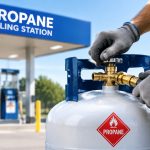
A propane gas station is a location where customers can purchase propane or refill compatible propane tanks. These stations provide fuel for residential, recreational, and commercial purposes.
Unlike traditional gasoline stations, propane stations specialize in liquefied petroleum gas (LPG), commonly known as propane.
Propane is stored as a liquid under pressure and changes into gas when released. This makes it suitable for different applications, including:
- Residential cooking appliances
- Outdoor grills and BBQ equipment
- Home heating systems
- RVs and recreational vehicles
- Food trucks and mobile kitchens
- Commercial heating equipment
- Outdoor fireplaces and patio heaters
A nearby propane gas station can help you keep your equipment supplied without having to purchase a completely new tank every time you run out of fuel.
2. What Is a Propane Filling Station?
A propane filling station is a facility where customers can bring compatible propane cylinders or tanks and have them refilled with propane.
Instead of exchanging your empty tank for another one, you can often keep your existing tank and pay for the amount of propane added.
This can be a convenient option for people who regularly use propane.
How Does Propane Tank Refilling Work?
The general process involves several steps:
- Bring your compatible propane tank to the filling station.
- A trained attendant checks the tank’s condition.
- The attendant confirms whether the tank is suitable for refilling.
- The tank is connected to approved filling equipment.
- Propane is added according to applicable safety requirements.
- The attendant checks the connection and completes the transaction.
The exact process may vary depending on the station and the type of tank.
Customers should never attempt to refill propane cylinders using improvised equipment or unauthorized connections. Propane refilling should always be handled by trained personnel using approved equipment.
3. Propane Tank Refilling vs. Tank Exchange: What’s the Difference?
When searching for a propane gas station, you may come across two common options: tank refilling and tank exchange.
Although both provide propane, the process is different.
Propane Tank Refilling
With propane refilling, you bring your existing tank to a filling station.
Some advantages include:
- Keep your existing compatible tank.
- Pay for the propane added.
- Avoid exchanging a tank you already own.
- Convenient for customers who refill regularly.
However, tanks must meet applicable safety and inspection requirements before they can be refilled.
Propane Tank Exchange
Tank exchange allows you to trade an empty cylinder for a pre-filled one at a participating location.
Benefits include:
- Convenient exchange process.
- No need to wait for an individual tank refill.
- Useful for occasional grill users.
- Available at certain retail locations.
The best option depends on your tank, usage habits, availability, and pricing.
4. Common Uses of Propane in Daytona Beach
Propane is useful for more than just outdoor grilling. Many households and businesses rely on it for different everyday activities.
Outdoor Grilling and BBQ
Propane grills are popular because they offer convenient temperature control and quick operation.
Instead of waiting for charcoal to heat up, you can start a propane grill quickly and enjoy outdoor cooking.
Recreational Vehicles (RVs)
Propane is commonly used in recreational vehicles for cooking, heating, and certain refrigeration systems.
If you travel frequently, knowing where to find a propane filling station can help you plan your trips more comfortably.
Residential Heating
Some homes use propane for space heating, water heating, and other appliances.
Having access to a dependable propane supplier can help homeowners maintain their fuel supply.
Food Trucks and Commercial Kitchens
Food trucks and mobile food businesses may use propane-powered cooking equipment.
Reliable propane access is important for businesses that depend on consistent fuel availability during operating hours.
Outdoor Fireplaces and Patio Heaters
Propane-powered outdoor heating equipment can help make patios and outdoor spaces more comfortable during cooler weather.
5. How to Choose the Right Propane Gas Station
Not every propane station will offer the same services. Before visiting a location, consider a few important factors.
Check Whether Tank Refilling Is Available
Some locations offer tank exchange but do not refill customer-owned tanks.
If you specifically need a refill, confirm that the station provides propane cylinder refilling before making the trip.
Look for Convenient Access
Choose a station that is easy to reach from your home, workplace, or regular travel route.
Convenient access can save time, especially if you use propane frequently.
Compare Pricing
Propane prices can vary depending on the supplier, location, and amount purchased.
Before choosing a station, ask about:
- Price per gallon
- Minimum purchase requirements
- Tank refill charges
- Payment methods
- Additional service fees
Comparing prices can help you make a better purchasing decision.
Ask About Tank Requirements
Not every propane tank is suitable for refilling.
Stations may inspect tanks for condition, certification, and other safety requirements.
Always check whether your tank meets the station’s requirements.
Consider Customer Service
Good customer service makes the refilling process easier.
Look for a propane provider that communicates clearly, answers your questions, and explains its services.
6. Why Choose a Local Propane Supplier in Daytona?
Finding a reliable local supplier can make managing your propane needs much easier.
If you regularly use propane for grilling, cooking, heating, or commercial purposes, working with a dependable propane supplier in Daytona can help you access the fuel and services you need.
A local supplier may offer several benefits:
- Convenient access to propane.
- Information about available tank sizes.
- Assistance with compatible propane cylinders.
- Refilling options where available.
- Support for residential and commercial customers.
- Guidance on propane safety.
Before choosing a provider, confirm which services are available and whether they match your requirements.
For regular propane users, establishing a relationship with a reliable local supplier can make future refills more convenient.
7. Important Propane Safety Tips
Propane is an efficient fuel, but it must be handled and stored correctly.
Following basic safety practices can help reduce risks when using propane cylinders and equipment.
Store Tanks Properly
Always store portable propane cylinders outdoors in a secure, upright position, following manufacturer instructions and applicable safety requirements.
Avoid storing propane cylinders inside enclosed living spaces.
Check for Damage
Before using a propane tank, look for visible signs of damage, corrosion, or other problems.
Never use a cylinder that appears unsafe.
Keep Tanks Away From Heat
Keep propane cylinders away from open flames, excessive heat, and other ignition sources.
Transport Tanks Safely
When transporting portable propane cylinders:
Secure them upright.
Keep the vehicle ventilated.
Protect the valve from damage.
Avoid leaving cylinders inside a hot vehicle.
Follow applicable transportation guidance.
Recognize a Propane Leak
Propane is naturally odorless, but an odorant is added to help people detect leaks.
If you smell gas:
- Do not operate electrical switches or equipment.
- Avoid flames and other ignition sources.
- Leave the area immediately.
- Move to a safe location.
- Contact your propane supplier or emergency services from a safe distance.
Never attempt to repair a leaking propane cylinder yourself.
8. When Should You Refill Your Propane Tank?
Running out of propane in the middle of cooking or during an outdoor activity can be frustrating.
Checking your propane supply regularly can help you avoid unexpected interruptions.
Consider arranging a refill when:
- Your tank is running low.
- You are planning a BBQ or outdoor gathering.
- You are preparing for an RV trip.
- Your food truck needs fuel for upcoming operations.
- You rely on propane-powered household appliances.
Do not rely only on guessing how much propane remains. Ask your supplier about suitable ways to monitor your tank level.
For larger residential propane systems, a professional supplier may also help you understand delivery and monitoring options.
9. Why Regular Access to a Propane Filling Station Matters
Having a dependable propane filling station nearby can make a difference for people who regularly depend on propane.
Instead of searching for a refill location every time your tank becomes empty, identifying a convenient provider in advance can save time.
Regular access is especially helpful for:
Homeowners using propane appliances.
- RV owners travelling around Florida.
- Restaurants and food trucks.
- Outdoor cooking enthusiasts.
- Businesses using propane equipment.
A dependable supplier can also help you understand tank compatibility, refilling requirements, and available services.
Conclusion: Find a Reliable Propane Gas Station for Your Needs
Propane is a practical fuel for residential, recreational, and commercial applications. Whether you use it for BBQ grilling, RV travel, cooking, or heating, finding a dependable propane gas station can make your everyday activities easier.
Before choosing a propane filling station, check its available services, compare prices, confirm tank requirements, and make sure refilling is performed by trained personnel.
If you’re looking for a dependable propane supplier in Daytona, consider working with a local provider that understands your fuel requirements and offers convenient propane solutions.
Need propane for your home, business, or next outdoor adventure? Contact a trusted local propane supplier in Daytona today to learn about available propane services and find the right solution for your needs.