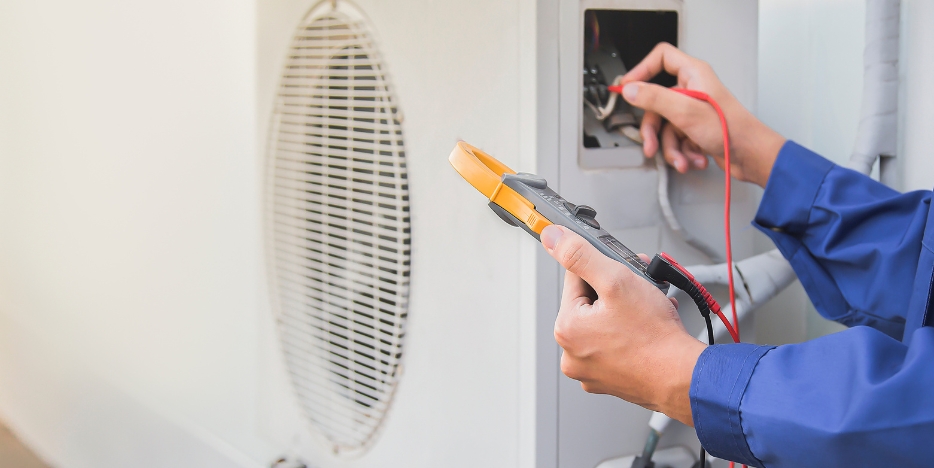
Winter has arrived, and we all want to stay warm at home, reclining on the couch during the holiday season! The weather is particularly extreme in January and February, and homeowners frequently experience problems with their air conditioning systems. Problems can range from minor annoyances to major disruptions in comfort. Sometimes we overlook these possible hazards when using the HVAC system to keep our house warm? If proactive steps are not taken, these risks may worsen. Don’t worry, Cunningham AC, Heat & Propane will maintain your air conditioner so it runs efficiently all year! Today, in this post, we will discuss some of the most common issues that your AC heating and air conditioning system may encounter. In addition, we will explain the symptoms and how to deal with them in the first place using AC heating and air conditioning services!
The Impact Of Cold Weather On HVAC Systems
Cold weather can put a significant strain on your HVAC system. The increased demand for heating can lead to a variety of issues, from reduced efficiency to complete system failure. When the temperature drops, your heating system has to work harder to maintain a comfortable indoor temperature. This increased workload can cause components to wear out faster, leading to more frequent breakdowns and higher energy bills.
Therefore, regular maintenance and timely repairs are crucial to ensure your system runs smoothly throughout the winter. By addressing potential issues early, you can avoid the inconvenience and expense of emergency repairs during the coldest months.
List Of Symptoms Showing Common Winter HVAC Problems
-
Thermostat Issues
Symptoms: Inaccurate temperature readings, system not responding.
Solution: Check battery levels, calibrate the thermostat, or consider upgrading to a smart thermostat. A malfunctioning thermostat can lead to inconsistent heating, making your home uncomfortable.
-
Frozen Coils
Symptoms: Ice buildup on the evaporator coils.
Solution: Turn off the system, defrost the coils, and clean the air filters. Frozen coils can restrict airflow and reduce the efficiency of your HVAC system, leading to higher energy bills.
-
Leaking Ducts
Symptoms: Drafty rooms, uneven heating.
Solution: Seal and insulate ducts to improve airflow and efficiency. Leaking ducts can cause heated air to escape, making your home less comfortable and increasing energy costs.
-
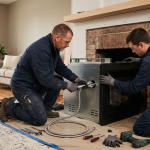
Furnace Not Lighting
Symptoms: No heat, pilot light not igniting.
Solution: Check the gas supply, clean or replace the pilot light, and inspect the ignition system. A non-functioning furnace can leave your home cold and uncomfortable during the winter.
-
Clogged Air Filters
Symptoms: Reduced airflow, and increased energy bills.
Solution: Replace or clean air filters regularly. Clogged filters can strain your HVAC system, reducing its efficiency and lifespan.
-
Dirty or Clogged Condensate Drain
Symptoms: Water leaks, system shutdown.
Solution: Clean the drain line and pan to prevent clogs. A clogged condensate drain can cause water damage and system malfunctions.
-
Electrical Problems
Symptoms: Tripped circuit breakers, unusual noises.
Solution: Check wiring, replace faulty components, and ensure proper grounding. Electrical issues can pose safety risks and lead to system failures.
-
Worn-Out Belts
Symptoms: Squealing noises, reduced performance.
Solution: Inspect and replace belts as needed. Worn-out belts can cause excessive noise and reduce the efficiency of your HVAC system.
-
Low Refrigerant Levels
Symptoms: Reduced cooling capacity, and ice formation.
Solution: Have a professional check and recharge the refrigerant levels. Low refrigerant can cause your system to work harder and less efficiently.
Top Strategies For Avoiding HVAC Issues During The Winter
-
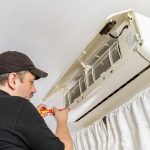
Regular Maintenance
Schedule annual maintenance with a professional to ensure all components are in good working order. Regular check-ups can prevent many common issues and extend the life of your HVAC system.
-
Check And Replace Filters
Clean or replace air filters every 1-3 months to maintain airflow and efficiency. Clean filters improve air quality and reduce the strain on your system.
-
Inspect And Clean Ducts
Seal and insulate ducts to prevent heat loss and improve air distribution. Properly sealed ducts ensure that heated air reaches all parts of your home efficiently.
-
Monitor Thermostat Settings
Use a programmable thermostat to maintain consistent temperatures and save energy. A programmable thermostat can help you manage your home’s temperature more effectively and reduce energy costs.
-
Keep Vents And Registers Clear
Ensure that furniture and other objects do not block vents and registers. Blocked vents can restrict airflow, making your home less comfortable and your system less efficient.
-
Check For Drafts
Seal gaps around windows and doors to prevent cold air from entering. Drafts can make your home feel colder and increase the workload on your HVAC system.
-
Inspect And Clean The Outdoor Unit
Clear snow and debris from the outdoor unit to ensure proper airflow. A clear outdoor unit can operate more efficiently and avoid potential damage from ice and snow.
-
Emergency Preparedness
Have a list of trusted HVAC professionals offering AC heating and air conditioning services on hand in case of emergencies. Being prepared can help you address issues quickly and avoid extended discomfort.
Conclusion
By being proactive and taking these steps, you can ensure that your HVAC system runs efficiently and reliably throughout the winter. Regular maintenance and timely repairs can save you from the inconvenience and cost of major breakdowns. If you encounter any issues, don’t hesitate to contact top air conditioning and heating experts in Volusia County, Flagler County, and throughout Florida. Stay warm and comfortable this winter with Cunningham AC, Heat & Propane’s effective AC maintenance service! Give us a call today!