Stay cool. It’s more than a luxury; it’s a necessity when the sun starts beating down. Air conditioners do the heavy lifting by dragging heat and humidity out of your living space. Without a functional unit, your home quickly turns into a sweltering oven. That’s dangerous.
Beyond the chill, these systems scrub your air. They trap dust and allergens, which is a lifesaver for anyone struggling with asthma. But systems break. This guide offers practical air conditioning repair advice to keep your sanctuary breathable.
Don’t wait for a total meltdown. Small glitches snowball into massive bills. We’re breaking down how to maintain AC system components without the technical jargon. Sometimes a quick DIY fix works. Other times? You need a pro.
That leads to our best AC repair tips for homeowners who value efficiency. Keep your unit humming. Your comfort and your wallet will thank you later.
Signs Your AC Needs Repair
A sweaty catastrophe is inevitable if you ignore your air conditioner until it dies. Your system typically cries for assistance well before the compressor fails, but most individuals merely wait for the device to shut down. Early detection of the symptoms that your air conditioner needs to be repaired will save you a hefty cost and a restless, muggy night. It’s about taking initiative.
You shouldn’t just stare at the thermostat hoping for a miracle. Look for the subtle red flags, like weird smells or a sudden spike in your power usage. This is basic maintenance of the AC system logic. If things feel off, they probably are. Don’t let a small glitch turn into a total system meltdown. Grab a flashlight, take a look, and follow some solid air conditioning repair advice before you’re stuck in a heatwave.
Weak Or Uneven Cooling
Is one room a freezer while the hallway feels like a sauna? That’s a classic red flag. It usually means your airflow is choked or the refrigerant is low. You might need some AC repair tips to check for blocked registers. If the air coming out isn’t crisp, your unit is just spinning its wheels.
Unusual Noises Or Vibrations
Your AC should hum, not bang or screech. Grinding sounds often point to a failing motor bearing, while rattling suggests loose hardware. It’s loud. It’s annoying. It’s also a sign of mechanical distress. Proper wall AC maintenance requires catching these metal-on-metal sounds before a part snaps off and destroys the entire internal housing.
Water Leakage From The Indoor Unit
Water pooling on your floor is never okay. A clogged condensate drain line usually forces water to back up and overflow the internal pan. It ruins drywall and breeds mold. Knowing how to maintain an AC system’s components involves checking the drain line. If you see a puddle, shut the power off immediately to prevent electrical shorts.
Sudden Increase In Electricity Bills
If your utility bill jumps but your habits haven’t changed, your AC is likely struggling. It’s working twice as hard to do half the job. This inefficiency eats your money. Frequent maintenance of an AC system keeps the coils clean and the energy draw low. A spike in costs is basically a loud cry for a professional tune-up.
Bad Odors Coming From Vents
Musty smells usually mean mold is hiding in your ductwork or on the evaporator coils. If it smells like something is burning, you’ve got an electrical issue. Neither is good. Clean air is the whole point of the system. Don’t breathe in those spores; get some professional air conditioning repair advice to sanitize the unit properly.
Air Conditioning Repair Tips For Common Problems
Keeping your home cool shouldn’t feel like a luxury. It’s about being proactive. If you ignore the basics, you’re looking at a sweaty afternoon and a hefty bill. Following smart AC repair tips keeps the machine humming. Dust is the enemy. It settles everywhere, choking components until they quit. Watch for signs your AC needs repair, like weird banging noises or weak airflow.
These aren’t just quirks; they’re warnings. You need solid air conditioning repair advice to navigate these hiccups before the compressor dies. Routine checks save money. It’s that simple. Grab a screwdriver and some patience. Let’s get that air icy again without calling a pro for every tiny glitch.
Check The Air Filter
Dirty filters are silent killers. They choke your system’s breath until it freezes or burns out. Check yours monthly. It’s the easiest maintenance task of an AC system you’ll ever do. If it looks like a sweater, swap it. Clean filters mean cheaper bills and crisper, cleaner air for everyone.
Clean The Outdoor Unit
Your condenser needs space to breathe. Grass and leaves act like a blanket, trapping heat where it shouldn’t be. Grab a hose. Gently spray the fins to wash away grime. This vital part of how to maintain system health prevents the whole thing from overheating and failing.
Check The Thermostat
Sometimes the fix is just a dead battery. It’s frustrating but common. Ensure it’s actually set to “cool” instead of “fan.” If the screen is blank, pop in some fresh AAs. Good wall AC maintenance starts with ensuring the brain of the system can actually talk to the unit.
Inspect The Circuit Breaker
If everything is dead, look at the panel. A power surge might’ve flipped the switch. Reset it once. But here’s the thing: if it trips again immediately, stop. That’s an electrical short. Constant tripping is one of those major signs your AC needs repair that requires an actual electrician.
Clean The Condensate Drain Line
Water has to go somewhere. When the drain clogs with slime, the tray overflows, or the system shuts down. Use a vacuum or a splash of vinegar. Clearing the line is essential for the maintenance of an AC system to avoid soggy carpets and mold growth in your walls.
Inspect Ductwork For Leaks
Don’t pay to cool your attic. Tiny gaps in the metal ducts let your expensive cold air escape. Feel for drafts near joints. Seal them up with foil tape or mastic. Proper sealing is the best air conditioning repair advice for fixing hot spots in your back bedrooms.
When to Call a Professional for AC Repair
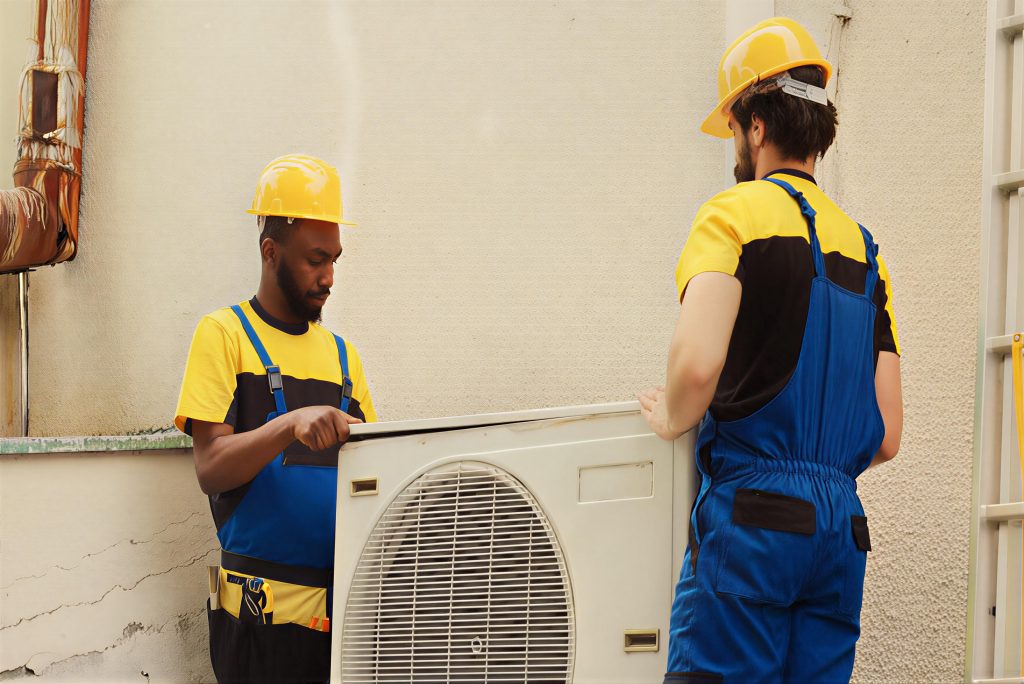
Is your unit blowing warm air? Stop poking at it. Sometimes DIY AC repair tips just aren’t enough to save a sweltering afternoon. If you hear a grinding noise that sounds like a blender full of gravel, shut it down immediately. That’s one of the clearest signs your AC needs repair before the motor melts into a puddle.
Sure, you can handle basic wall AC maintenance by vacuuming the dust off the intake. But here’s the thing: messing with refrigerant or complex wiring is a gamble you’ll likely lose. Pro technicians have the gear to sniff out tiny leaks that ruin the maintenance of an AC system’s longevity.
Don’t wait for a total blackout. If your energy bill spikes or the humidity feels like a swamp indoors, grab some air conditioning repair advice from a licensed pro. Properly maintaining an AC system involves knowing when your own hands are the wrong tools for the job. Get it fixed now.
Conclusion
Stop letting the heat dictate your comfort. Simple AC repair tips like changing filters and hosing off coils keep your home icy and your bills manageable. It’s the easiest way to handle the maintenance of an AC system’s longevity. But here’s the thing: know your limits. If you notice major signs your AC needs repair, like weird grinding or pooling water, put the tools away.
Professional air conditioning repair advice is invaluable when DIY fixes fall short. Whether it’s basic wall AC maintenance or a complex refrigerant recharge, acting fast prevents a total meltdown. For reliable service and expert care, trust Cunningham AC Heat & Propane to keep you cool. Learning how to maintain an AC system’s health shouldn’t be a chore. Stay proactive, keep the airflow clear, and enjoy the chill.
Frequently Asked Questions
What air conditioning repair advice helps prevent major breakdowns?
The best air conditioning repair advice is to never ignore strange noises or weak airflow. Smothering a small glitch leads to a dead compressor, so tackle those signs your ac needs repair immediately. Regular maintenance of AC system parts like coils and fins prevents the mechanical strain that causes total failure.
How do I properly maintain the AC system?
Focus on airflow. Learning how to maintain an AC system’s health starts with monthly filter changes and keeping the outdoor unit clear of debris. For internal care, basic wall AC maintenance includes clearing the condensate drain line to prevent water damage and mold.
What makes Cunningham the best option for AC repair services?
The professional accuracy that Cunningham AC Heat & Propane offers is simply unmatched by do-it-yourself AC repair advice. They take care of the hazardous materials, such as electrical surges and refrigerant, so your system operates safely and efficiently. By putting your trust in local experts, you can avoid making assumptions and keep your house cool.
Can AC efficiency be improved without replacing the unit?
Absolutely. Sealing leaky ducts and installing a programmable thermostat are top AC repair tips for a performance boost. Proper maintenance of AC system components ensures the unit doesn’t have to work overtime to fight through dust and grime.
Can AC repair help reduce electricity bills?
Yes, because a struggling unit is a power hog. Addressing the signs your AC needs repair, like dirty coils or a failing motor, restores efficiency and slashes energy waste. Even simple wall AC maintenance can noticeably lower your monthly cooling costs.