Your AC stopped working at midnight?
Most of us don’t think about the maintenance of the AC system until something feels off. Maybe the air isn’t as cool as it used to be, maybe the unit sounds louder than normal, or maybe your electricity bill suddenly jumps, and you’re left wondering why.
And somewhere in the back of your mind, a question pops up: “Do I really need to service my AC that often?”
If you’ve ever felt that and searched for air conditioning maintenance near me in Florida at the last minute, you’re definitely going to find us in the top HVAC service providers.
An AC system is one of those things we expect to just work. We switch it on, enjoy the cool air, and move on with our day.
But behind the scenes, your central AC unit is working hard every single time you use it, especially during peak summer or extreme weather.
Why Regular Central AC Unit Maintenance is Crucial
Just like a car needs regular servicing to avoid breakdowns, your AC system also needs routine care. And this is where Florida homeowners rely on Cunningham AC, Heat & Propane, offering instant and top-notch central AC system maintenance.
Now here’s the real question most homeowners ask: How often should an AC actually be serviced? Once a year? Twice? Only when something breaks? And more importantly, what really happens if you keep putting it off?
Skipping central air conditioning unit maintenance can cost you more than you realize, from increased energy bills and poor cooling to unexpected repairs and premature system failure. The same is true for heating system maintenance; if ignored for too long, winter comfort will quickly deteriorate.
In this guide, we’ll go over how often your air conditioner should be serviced, why regular maintenance is important, and what you’re actually risking by delaying it. Let’s talk it out.
So, How Often Should You Really Service Your AC?
This is usually the first thing people ask, and honestly, the answer is simpler than it sounds. For most homes, your AC should be serviced at least once a year. If you use your system heavily, live in a very hot area, or run both cooling and heating through the same system, twice a year makes even more sense.
Tip: Once a Year Is the Bare Minimum
Annual AC system maintenance helps catch small issues early. Dust accumulation, loose connections, and low refrigerant levels do not cause immediate breakdowns, but they do gradually degrade performance. A yearly check keeps your system running smoothly and prevents minor issues from becoming major ones.
Tip: Heavy Usage Requires More Frequent Maintenance
If your air conditioner runs nearly every day during the summer, it is working harder than usual. The more it runs, the more wear and tear it experiences. In these cases, a mid-season check can really help maintain cooling efficiency and prevent sudden failures.
What Really Happens During AC System Maintenance?
AC maintenance is more than just checking parts at random; it’s a structured process that aims to restore system balance. Each step helps to maintain consistent performance while avoiding long-term damage.
Internal Components Are Carefully Inspected
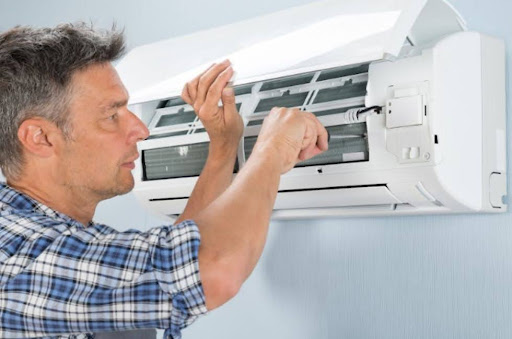
During maintenance, our technicians check moving parts, electrical connections, and mechanical components for signs of wear or imbalance. Even minor loose or worn parts can degrade system performance over time. Catching these early prevents them from causing damage to larger, more expensive parts.
Cleaning Has An Immediate Impact
Dirt and debris not only dirty your air conditioner, but they also block airflow and trap heat. Cleaning the coils and internal surfaces allows heat to properly escape, allowing the system to cool faster and run for shorter periods of time. This improves comfort nearly immediately after service.
Refrigerant Levels Are Validated
Low refrigerant does not always cause immediate cooling loss, but it does force the system to work harder than intended. This puts extra strain on the compressor, which is one of the system’s most expensive components. Cunningham AC, Heat & Propane’s central air conditioning maintenance ensures that refrigerant levels are correct, protecting long-term performance.
Electrical Connections Are Secured
Loose electrical connections cause inconsistent power flow, overheating, and safety risks. Tightening and testing these connections ensures steady operation and reduces the risk of sudden shutdowns.
Drain Lines are Cleaned to Avoid Moisture Damage
Moisture accumulation is a common problem in air conditioning systems. When drain lines become clogged, water may back up into the system or the surrounding areas. Clearing these lines protects your home against leaks, mold growth, and water damage.
Thermostat and Controls Are Checked
Sometimes comfort issues are caused by faulty communication between the thermostat and the system, rather than by the AC unit. Maintenance ensures that temperature readings are accurate and that commands are executed correctly.
Signs Your Central AC System Is Overdue for Service
Your AC system rarely fails without warning. Most of the time, it sends out small, easy-to-miss signals long before a major breakdown happens. The problem is that these signs often appear “normal” or harmless at first, so they are overlooked. Paying attention to these early warning signs can help you avoid discomfort, high energy bills, and costly repairs in the future.
Uneven Cooling Throughout the Home
When your air conditioner is working properly, the temperature in each room of the home should be fairly constant. If some rooms remain warm while others cool down properly, the system may no longer distribute air evenly. This can happen if internal components become dirty, airflow is restricted, or the system is no longer balanced.
Over time, this uneven cooling causes the air conditioner to work harder because it runs longer in an attempt to cool the warmer areas. Many homeowners respond by turning down the thermostat, but this only adds to the stress and does not address the underlying problem. Our regular central air conditioning system maintenance helps to restore balanced airflow and consistent comfort throughout the home.
Frequently Cycling On and Off
One of the clearest indicators that something is amiss is short cycling, which occurs when your air conditioner turns on and off in brief intervals. Instead of stopping and starting repeatedly, your system is designed to operate in steady cycles. Short cycles put more strain on internal components and drastically reduce energy efficiency.
This issue is frequently brought on by unclean components, airflow issues, thermostat miscommunication, or small system imbalances that can be corrected with maintenance. If you ignore short cycling, your central air conditioner will last less time and is more likely to have unplanned malfunctions during hot weather. It also makes it less comfortable.
Unusual Smells Coming From the Vents
Your AC should never produce strong or unpleasant odors. If you smell musty, stale, or burning when the system is running, it’s usually a sign that something inside requires attention. Musty odors are often indicative of moisture buildup or dirt accumulation within the system, whereas burning odors can indicate electrical issues or overheating components.
These smells tend to get stronger over time, not better. What starts as a mild odor can eventually affect indoor air quality and comfort. At Cunningham AC, Heat & Propane, we ensure regular air conditioning maintenance to identify and resolve these issues early, before they create larger health or safety concerns.
Weak or Inconsistent Airflow
When the airflow from your vents feels weaker than usual or varies from room to room, it’s a clear sign that your air conditioner is having internal issues. Reduced airflow is common when components are dirty, filters are clogged, or parts are no longer working properly together.
Weak airflow requires the system to run longer cycles to achieve the desired temperature. This not only increases energy consumption but also hastens wear on critical components. Airflow issues are addressed early in the routine maintenance process, allowing your AC to cool more effectively without overworking.
Increased Indoor Humidity Levels
Your air conditioner does more than just cool the air; it also removes excess moisture from your home. If your indoor space feels sticky, damp, or uncomfortable even when the air conditioner is turned on, it means the system is no longer managing humidity properly.
Airflow obstructions, dirty coils, and inefficient systems are common maintenance problems that lead to high indoor humidity. Excess moisture, left unchecked, can lead to mold growth, poor air quality, and ongoing comfort issues. Routine central air conditioning maintenance restores humidity control and keeps your home cool and balanced.
Rising Energy Costs With No Clear Reason
If your energy bills begin to rise despite your unchanged usage habits, your air conditioning system may be to blame. When maintenance is overdue, the system consumes more electricity to maintain the same level of cooling. These increases often happen gradually, making them easy to overlook at first.
Neglected maintenance becomes an ongoing expense as the extra energy consumption increases over time. By reestablishing efficiency, routine maintenance keeps your comfort and energy costs under control.
Unusual Sounds While Operating
Your air conditioner should make very little noise. Rattling, buzzing, humming, or clicking noises are typically indicative of worn-out, loose, or unbalanced components. Rarely do these sounds go away on their own, and as the issue gets worse, they typically get louder.
Maintenance enables our technicians to detect and address these issues early on, preventing further damage and keeping the system running smoothly and quietly.
Conclusion
Regular air conditioning and heating system maintenance entails doing enough, consistently, rather than doing too much or overthinking things. A well-maintained system cools and heats your home more evenly, uses less energy, and lasts longer with fewer unexpected problems.
Skipping maintenance of the AC system may not result in immediate problems, but it almost always leads to higher costs, less comfort, and unnecessary stress. Cunningham AC, Heat & Propane is here to assist!
If you’re looking for air conditioning service near me, consider it an investment in your peace of mind. A little attention today keeps your system dependable tomorrow, right when you need it most.
Frequently Asked Questions
How frequently should an air conditioning system be serviced?
In most homes, an air conditioning system should be serviced once a year. This ensures that the system continues to function normally while also detecting minor issues early on.
Homes that use air conditioning for an extended period of time or that use the same system for both heating and cooling may benefit from twice-yearly maintenance. More frequent servicing compensates for increased wear and keeps performance consistent throughout the year.
Is AC maintenance necessary if the system seems to be working normally?
Yes. Even when efficiency begins to decline, an air-conditioning system can continue to operate. Dust buildup, minor airflow restrictions, and gradual component wear are not always immediate problems, but they can have a long-term impact on performance.
Routine maintenance addresses these issues before they cause decreased comfort, increased energy consumption, or unexpected repairs.
What happens if AC maintenance is not done on a regular basis?
When maintenance is neglected, the system’s efficiency gradually decreases. Dirt accumulation and normal wear cause components to work harder than necessary.
Over time, this can result in:
- Reduced cooling efficiency.
- Higher energy consumption.
- More frequent repairs.
- Shorter equipment lifespan
Does AC maintenance affect energy efficiency?
Yes. A well-maintained air conditioning system uses less energy to maintain a constant indoor temperature. Clean components and adequate airflow help the system run more smoothly, reducing unnecessary strain.
While the difference may not be readily apparent, increased efficiency can help to ensure long-term energy consumption stability.
What are the typical components of central air conditioning unit maintenance?
Central air conditioning maintenance typically entails inspecting and adjusting key components to ensure proper functionality. This usually includes:
- Inspecting internal components for wear.
- Clean the coils and other critical surfaces.
- Checking refrigerant levels
- Securing electrical connections.
- Cleaning drain lines
- Verifying the thermostat’s accuracy
Each step contributes to consistent performance and long-term system health.
Is it necessary to maintain heating systems in warm climates?
Yes. Even in warmer regions, heating systems experience normal wear over time. Without routine maintenance, small issues can remain unnoticed until the system is needed.
Periodic heating system maintenance helps ensure safe operation, steady performance, and fewer surprises during cooler months.
Can AC maintenance help with indoor air quality?
Regular maintenance can help improve indoor air quality by reducing the amount of dust, moisture, and debris that accumulates in the system. These factors can have an impact on airflow and cause odors or discomfort indoors.
Keeping the system clean improves both comfort and overall air quality.
What is causing my home’s uneven cooling?
Uneven cooling often indicates that airflow is not evenly distributed throughout the home. Dirty components, airflow restrictions, and long-term system imbalances are all possible causes.
Regular maintenance can aid in restoring proper airflow and temperature consistency between rooms