If you’re here, you’re likely either experiencing HVAC system issues or interested in learning more about the repair process. So, you’re in the right place!
When your heating and cooling system isn’t working properly, it’s crucial to enlist the help of qualified professionals. That’s where the HVAC repair service comes in. But what exactly happens during one of these service visits? Understanding the process can help ease any apprehension you might have. These skilled technicians are trained to diagnose issues, perform repairs, and ensure your system is running efficiently again in no time.
📌 Key Takeaways
Prepare for an HVAC service visit by clearing access to the unit and gathering system information.
A technician will inspect components, diagnose the problem, and explain their findings.
The repair plan should outline the required work, parts, labor, and estimated costs.
Professional repairs may involve replacing faulty components, fixing wiring, or making system adjustments.
Testing and quality checks help confirm that the HVAC system operates safely and efficiently.
Replacing air filters and keeping the unit area clean can support better system performance.
Regular professional maintenance can help identify problems early and extend the HVAC system’s lifespan.
Through this blog, you’ll get to know everything from the initial assessment to the completion of the repairs. So, let’s start!
A Step-by-Step Guide to HVAC Repair Service
Pre-Service Preparation
Before your local HVAC repair & service technician arrives, there are a few things you can do to prepare for their visit. First, make sure that the area around your unit is clear and accessible. This means moving any furniture or obstacles.
Next, gather any relevant information about your system. It includes its make and model, any previous repairs or maintenance, and any signs you’ve noticed. This information can help the technician diagnose the problem more quickly and accurately.
Technician’s Timely Arrival
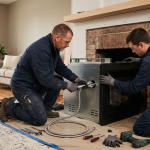
The technician will typically begin by inspecting your unit during the residential HVAC repair service. This involves checking various components, such as the thermostat, air filters, ductwork, and electrical connections, to identify any potential issues. They may also use specialized tools and equipment to assess the system’s performance and diagnose the problem accurately.
Throughout the inspection process, the technician will explain what they’re doing and keep you informed about their findings. If they discover any issues that require repairs, they’ll discuss the necessary steps with you. Also, they’ll provide an estimate for the cost of the repairs.
Inspection of the HVAC unit
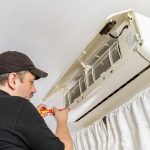
Once the technician arrives, they will start by inspecting your HVAC unit to figure out what’s causing the problem. This inspection involves looking at different parts of the system, like the furnace, air conditioner, or heat pump, depending on what you have.
They’ll check for things like leaks, worn-out parts, or any other issues that could be affecting how your system works. Sometimes they might need to take things apart a little to get a better look.
During the inspection, the technician might also test different components to see if they’re working correctly. This could involve checking the thermostat, measuring airflow, or testing electrical connections. Then, they’ll explain their findings to you and discuss the repair plan.
Repair Plan and Estimate
This step includes what needs to be done to fix the issue and outlines a repair plan. This plan may include replacing parts, fixing wiring, or other necessary repairs to get your system running smoothly.
After explaining the repair plan, the technician will provide you with an estimate of the cost involved. This estimate will detail the expenses for parts, labor, and any other charges associated with the repair. It’s important to ask any questions you may have about the estimate. This will help you understand what’s included and avoid any surprises later on.
Once you’ve agreed to the repair plan and estimate, the technician will begin the repairs. Additionally, local HVAC replacement providers often offer ongoing maintenance and support. They’ll help you extend its lifespan and maximize its performance.
Execution of Repair
During the execution of repairs, the technician will use their expertise to address the underlying issues causing your system to malfunction. They will also utilize specialized tools to ensure effective and thorough repairs.
This process may involve replacing faulty components, repairing damaged parts, or performing adjustments to restore your system’s functionality. They may also provide recommendations for preventive maintenance or additional repairs. These suggestions can help prolong the lifespan of your unit and prevent future breakdowns.
By the time the technician has finished executing the repairs, your unit should be back up and running smoothly. You can expect a noticeable improvement in its performance and functionality.
Testing and Quality Check
This step is super important because it ensures that your air conditioner is safe, efficient, and ready to keep your home comfortable.
During testing, the technician will check various parts of your unit to make sure they’re all functioning correctly. They’ll also test the airflow and temperature output. This ensures that your system is heating or cooling your home evenly and efficiently.
After testing, the technician will perform a quality check. They ensure that the repairs are done properly and that there are no lingering issues. They’ll double-check their work and make any necessary adjustments to ensure it is in top-notch condition.
Post-Service Maintenance Tips Of HVAC Repair Service
After the repair service visit, it’s essential to take care of your system to keep it running smoothly. Here are some simple maintenance tips to follow:
Change your air filters regularly
Dirty air filters can restrict airflow and reduce your system’s efficiency. Make sure to replace them every few months or as recommended by the manufacturer.
Keep the area around your HVAC unit clean
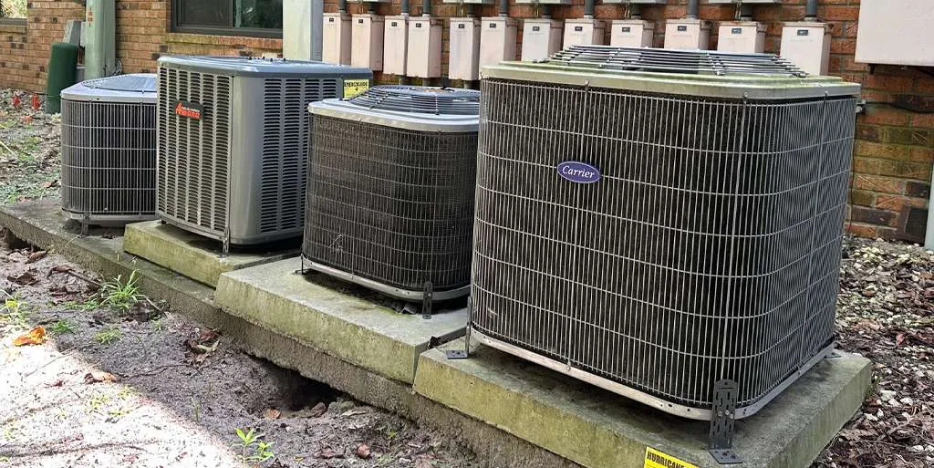
Clear away any debris, leaves, or other obstructions around your outdoor unit to ensure proper airflow and prevent damage.
Schedule regular maintenance checks
Consider scheduling routine maintenance visits with a professional repair service. This will help you catch any issues early and keep your system in top condition.
Monitor your system for unusual noises or smells
If you notice any strange noises or odors coming from your air conditioner, it could be a sign of a problem. Contact a professional technician to investigate further.
These post-service maintenance tips can help prolong the life of your unit and prevent future breakdowns.
Conclusion
Understanding what to expect during a service visit is crucial, especially when considering financing for HVAC replacement. By being prepared for the process, from pre-service preparation to post-service maintenance, you can ensure a smooth experience. This allows you to make informed decisions about your unit’s repair or replacement.
So, if you want to explore the financing options available to you, Cunningham AC, Heat & Propane is here to help. With years of experience, our team will provide the best HVAC repair service. From quick fixes to complex repairs, we tackle every HVAC issue with precision. Contact us today to learn more about our financing options.
FAQs
- What happens during an HVAC inspection?
During an HVAC inspection, a technician examines key components such as filters, electrical connections, ductwork, refrigerant levels, drainage, and system performance to identify potential issues. - How long does an HVAC inspection usually take?
The time required depends on the system’s size, condition, and complexity. A technician may need additional time if they discover problems that require further testing or evaluation. - How often should I schedule an HVAC inspection?
Scheduling an HVAC inspection at least once a year can help identify developing issues, maintain system efficiency, and ensure your heating and cooling equipment is operating properly. - Can an HVAC inspection identify potential problems early?
Yes. A professional inspection can reveal worn components, airflow problems, electrical concerns, drainage issues, or other conditions that may affect system performance. - Is an HVAC inspection necessary if my system is working properly?
Yes. Even when your HVAC system appears to be functioning normally, an HVAC inspection can help detect hidden problems and support reliable performance throughout the year.